Home › Golf Guides
How to Clean Golf Clubs: Irons, Woods and Grips, Step by Step
Knowing how to clean golf clubs properly takes about 15 minutes and needs nothing more than a bucket of warm water, a squirt of washing-up liquid, a soft brush and an old towel. It is worth doing for more than looks. Grooves packed with soil and grass grip the ball less well, which shows up as less spin and less predictable distance, especially with wedges from wet autumn and winter lies. Grips that are slick with sweat and sun cream twist in your hands. Below is the routine for irons and wedges, for drivers and woods, and for grips, plus the habits that save you the big clean in the first place.
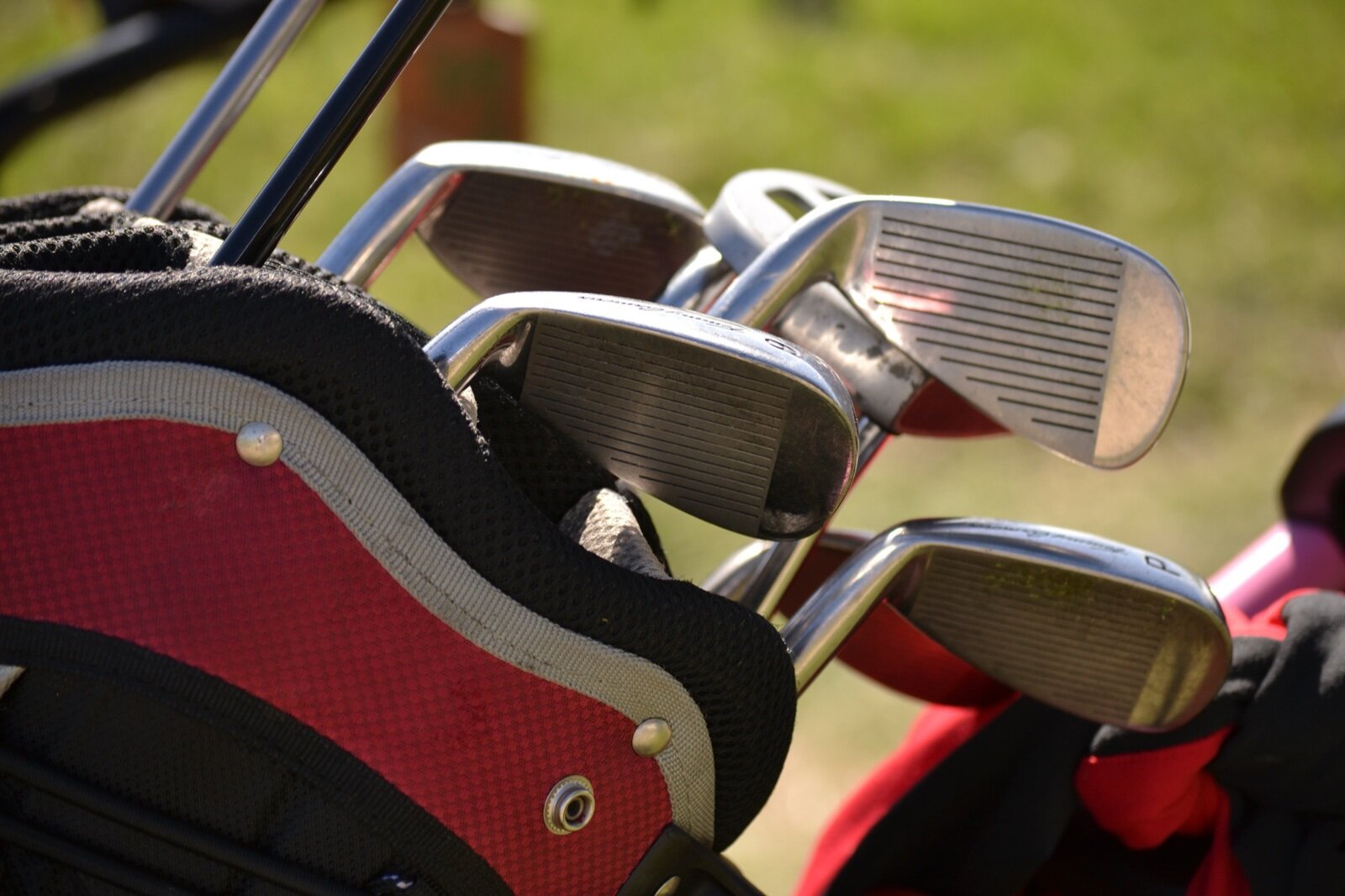

What you need
- a bucket or bowl of warm water, not hot
- a little mild washing-up liquid
- a soft nylon brush, such as an old toothbrush or a washing-up brush
- a groove tool or a wooden tee for packed grooves
- two towels: one damp, one dry
Avoid wire brushes on anything with a chrome, painted or coated finish, and keep abrasive scouring pads and household chemical cleaners away from your clubs. Dedicated golf club cleaning kits exist, but they are a brush, a groove tool and a cloth in a nicer box.
How to clean golf irons and wedges
- Soak the heads only. Stand the irons in the bucket so the water covers the heads but stops below the ferrule, the small plastic collar where the shaft meets the head. Leave them for a few minutes to soften dried mud and grass.
- Scrub the face and grooves. Brush along the line of the grooves, not across them, then work the back and the sole. Use a groove tool or the point of a wooden tee on anything still packed in.
- Rinse. A quick rinse under the tap, or a wipe with a damp towel, removes the soapy residue.
- Dry straight away. Dry every head fully, including the hosel. Leaving clubs wet in a bag is what causes spotting and rust.
- Wipe the shafts. Run the damp towel down each shaft and dry it. Check graphite shafts for nicks or splinters while you are there.
Wedges need the most attention because they do most of their work from grass and sand, and the shots where spin matters most are the ones played with them. Our golf wedges guide explains how grooves and bounce affect those shots.
Raw and rusty wedges
Some wedges have an unplated "raw" finish that is designed to rust. Rust on these is normal and does not harm performance, so clean the dirt off but leave the patina. Light rust spots on a chrome iron usually come off with the soft brush; anything heavier is a sign the plating is wearing through, and abrasives will only make it worse.
How to clean drivers, woods and hybrids
Never soak these. The heads are painted or coated, and several have adjustable hosels and screws that should not sit in water.
- Wipe the head with a damp towel and a tiny drop of washing-up liquid.
- Use the soft brush gently on the face scorelines and the sole, where dirt collects.
- Wipe off the soap with a clean damp towel and dry it fully.
- Put the headcover back on only once the club is dry.
Sky marks, the scuffs on the crown from a ball struck high on the face, will often lift with a damp cloth. If they do not, leave them; scrubbing hard damages the paint. For more on what drivers are made of and how they are built, see our golf drivers guide.
How to clean golf grips
Most clubs come with rubber or rubber-compound grips, and these build up a film of sweat, sun cream and skin oil that makes them slick long before they are worn out.
- Wet the brush in the warm soapy water.
- Scrub each grip all the way round, holding the club so water runs down towards the end cap rather than into the shaft.
- Rinse with a damp towel.
- Dry with the dry towel and leave the clubs standing upright for a while so any water inside the grip can drain.
Leather and cord grips need gentler treatment: a barely damp cloth only. If a grip is still shiny, hard or cracked after cleaning, it needs replacing, not cleaning. Our golf grips guide covers sizes, materials and when to change them.
How often to clean golf clubs
| Job | How often |
|---|---|
| Wipe the face before each shot | Every shot, with a damp towel on your bag |
| Wipe heads and shafts | After every round |
| Full clean of irons and wedges | Every few rounds, and after any wet round |
| Grip clean | About once a month in the playing season |
| Check grooves, ferrules and grips for wear | Each time you do a full clean |
Habits that save the big clean
- Carry a damp towel. Clip a towel to your bag and keep one corner wet. A ten-second wipe after each shot stops dirt drying into the grooves.
- Dry the bag after wet rounds. Take the clubs out and let the bag and the clubs dry separately. A closed bag of wet clubs in a car boot is how rust starts.
- Use headcovers on woods. They stop clubs clattering together, which chips paint and dents soft faces.
- Keep the clubs indoors. Heat and cold in a car boot or garage age grips faster.
Autumn and winter at Lullingstone Park
From October onwards, the Castle Course and the 9-hole Valley Course play softer, and mud on the ball and the club becomes part of the game. Clean grooves matter more in these months, not less. When winter rules are in force you may also be able to lift, clean and place your ball on the fairway; our page on winter golf rules and preferred lies explains how that works. Check the green fees and book your next round from the Lullingstone Park homepage.
Frequently Asked Questions
What is the best way to clean golf clubs?
Soak iron heads, not the shafts, in warm water with a little washing-up liquid for a few minutes, scrub the grooves with a soft brush, rinse and dry straight away. Wipe drivers and woods with a damp soapy cloth instead of soaking them.
Can I put golf clubs in the dishwasher?
No. The heat and detergent can loosen the epoxy holding the heads on, damage ferrules and grips and strip finishes. Warm soapy water and a brush is all they need.
How do I clean golf grips?
Scrub them with a soft brush dipped in warm soapy water, rinse with a damp towel and dry them fully. Leather and cord grips should only be wiped with a barely damp cloth.
Should I use a wire brush on my irons?
Not on chrome, painted or coated finishes, because it scratches them and can wear through the plating. A soft nylon brush and a groove tool or wooden tee clean grooves without damage.
How often should I clean my golf clubs?
Wipe the face after every shot and the heads after every round. Give irons and wedges a full clean every few rounds and after wet rounds, and clean the grips about once a month in the playing season.
Do dirty grooves really affect the shot?
Yes. Grooves full of soil and grass grip the ball less, which reduces spin and makes distance less predictable, especially on wedge shots from wet grass.