Home › Golf Guides
Golf Club Fitting: What It Costs, What a Fitter Checks, and Whether You Need One
Golf club fitting means matching the length, lie, shaft, head and grip of each club to your height, posture and swing, instead of buying straight off the shelf. In the UK it can cost nothing: American Golf advertises free in-store custom fitting, and many venues that charge a fee take it off the price if you buy clubs from them. A fitting usually takes about 45 minutes for one type of club and 90 minutes for a whole set. This page explains what happens in a session, what the fitter measures, and when it is worth booking one.
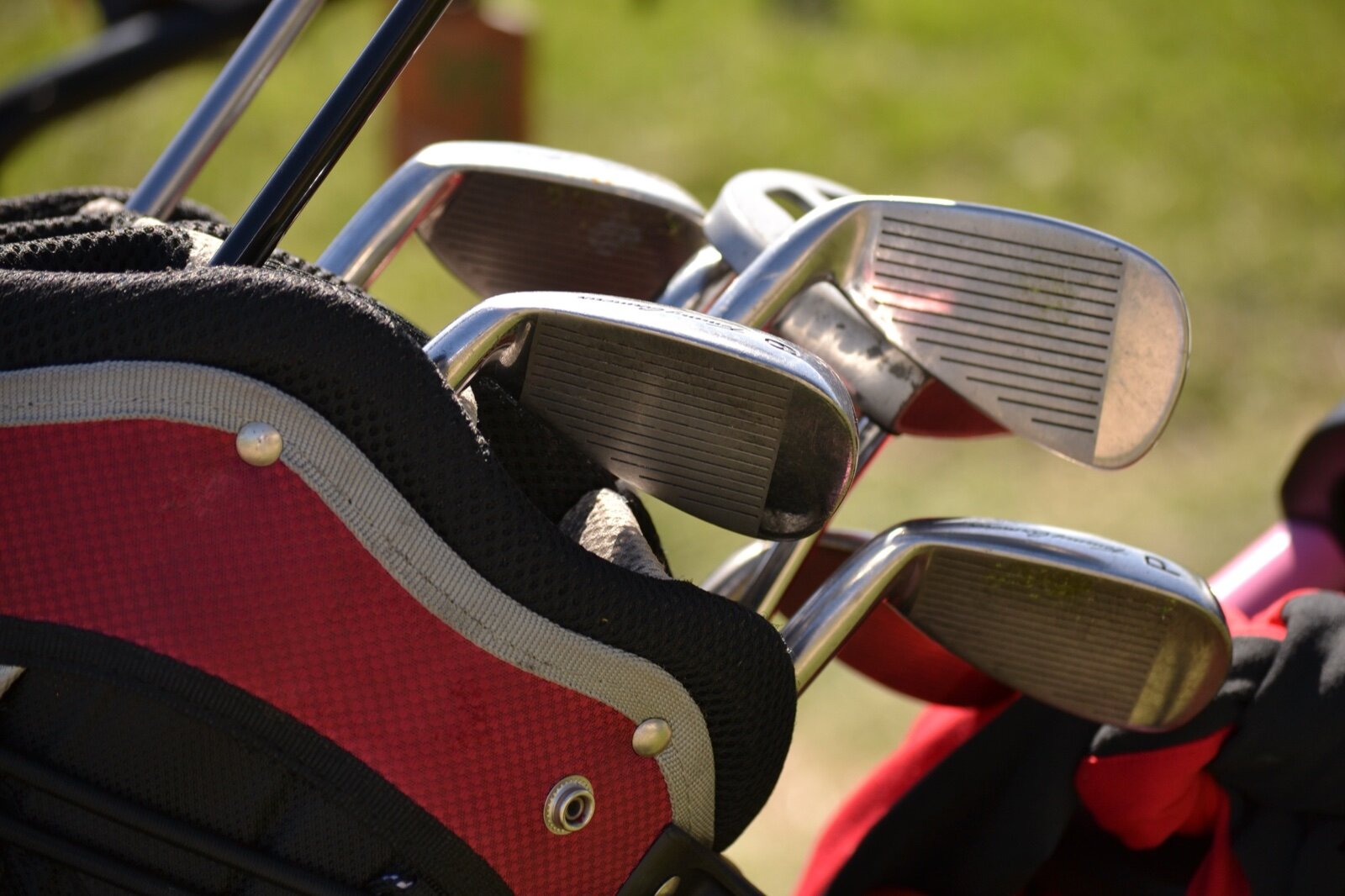

Cost: free at some retailers; Close House near Newcastle charges £30 per 45 minutes, refunded against clubs bought there.
Time: about 45 minutes for a driver, irons or putter; about 90 minutes for a full set.
Main checks: length, lie angle, shaft flex and weight, loft, head design and grip size.
Best for: golfers with a repeatable swing who are about to spend money on new clubs.
What happens in a fitting
A typical session follows the same order wherever you go:
- A conversation. The fitter asks about your handicap, how far you hit each club, your usual miss and what you want to change. Be honest: hitting the ball higher, stopping a slice or simply gapping the irons properly all lead to different clubs.
- Static measurements. Your height and wrist-to-floor distance give a starting point for club length and lie. The fitter checks your hand size for grips.
- Baseline shots with your own clubs. Hitting your current driver or 7-iron on a launch monitor gives numbers to beat: ball speed, launch angle, spin, carry and dispersion.
- Testing heads and shafts. The fitter swaps heads and shafts on interchangeable fitting clubs, one variable at a time, and watches how the numbers and the strike pattern change.
- Lie check. For irons, the fitter often has you hit off a lie board, with tape on the sole, to see where the club touches the ground at impact.
- The recommendation. You leave with a specification: head model, shaft, length, lie, loft and grip. You do not have to buy that day.
Many fitters use launch monitors such as TrackMan or Foresight's GCQuad, which measure the ball's flight and the club's delivery. Close House says its PGA professionals fit with TrackMan, and American Golf says it uses the GCQuad in stores where it is available.
What the fitter is measuring
| Setting | What it changes | Sign it is wrong for you |
|---|---|---|
| Length | How upright you stand and where you strike the face | Strikes off the heel or toe, or a hunched or very upright posture |
| Lie angle | Whether the sole sits flat at impact | For a right-hander, shots starting left (too upright) or right (too flat) |
| Shaft flex and weight | Timing, launch and spin | Ball flight too high or low, inconsistent strikes, tired late in the round |
| Loft | Launch, spin and distance gaps | Two clubs that go the same distance, or a big gap between them |
| Head design | Forgiveness on off-centre hits | Big distance loss on mishits |
| Grip size | Hand action through impact | Grips that feel thin or bulky, or a tendency to over-grip |
What it costs
There is no standard UK price. Three common models:
- Free with the retailer. American Golf, which has 85 stores, advertises free in-store custom fitting and invites golfers to book an appointment online. Big retailers fit in the hope you buy from them, but you are not obliged to.
- A fee refunded on purchase. Close House charges £30 per 45-minute session for driver, iron, putter or ball fitting, with 90 minutes for a full set, and says the fitting charge comes off the price of clubs ordered through it.
- Independent fitters. Specialist studios that fit across many brands charge a fee that reflects the time and the range of heads and shafts on offer. Ask what is included, whether the fee is refundable, and whether they can build the clubs themselves.
Fitted clubs often cost the same as off-the-shelf clubs from the same brand unless you choose an upgraded shaft or grip, which carry a surcharge. Custom orders can take a few weeks to build, so ask about the lead time.
Is club fitting worth it?
It depends on how consistent your swing is and what you are about to spend.
- Worth it: if you play regularly, have a reasonably repeatable swing and are buying a new driver or set of irons. The main gain is clubs that suit your swing now, so your strikes and distances are more predictable.
- Worth a short check: if you are much taller or shorter than average, have very large or small hands, or play left-handed, because standard lengths and grips are built around an average golfer.
- Probably not yet: if you are a complete beginner. Your swing will change a lot in the first year, and lessons will make more difference than a precise specification. Our page on which golf clubs a beginner needs covers what to buy first.
A fitting cannot fix a swing fault, but it can stop your clubs making it worse. If a fitter keeps finding that nothing helps your slice, book a lesson; see our first golf lesson page.
Getting the most from a session
- Warm up first. Hit balls for ten minutes beforehand so your first shots in the bay are representative.
- Take your current clubs and your usual golf ball if you can.
- Fit one category at a time if you are short of time. Driver and irons give the most information; putters are a separate session.
- Ask for the specification in writing, so you can compare prices or order later.
- Take the new clubs to the range, then onto the course, before judging them. Our practice area page explains what is available at Lullingstone Park.
For more on choosing individual clubs, see our guides to drivers, irons, wedges, putters and grips. When the new set arrives, our green fees and tee booking page has prices for a round.
Sources: American Golf, custom fitting; Close House, custom fit.
Frequently Asked Questions
How much does golf club fitting cost in the UK?
It ranges from free to a fee per session. American Golf advertises free in-store custom fitting at its branches. Close House near Newcastle charges £30 per 45-minute session and takes the fee off the price if you then buy clubs there. Independent fitters and studios set their own prices, so ask before you book.
How long does a club fitting take?
Around 45 minutes for one type of club, such as a driver or a set of irons, and about 90 minutes for a full bag. Allow extra time to warm up first so the numbers reflect your normal swing.
Is club fitting worth it for a beginner?
A full fitting is usually more than a beginner needs, because a new golfer's swing changes quickly. A short check of length, lie and grip size is worthwhile, especially for anyone much taller or shorter than average, and lessons will make more difference in the first year.
What is lie angle in golf?
The angle between the shaft and the sole of the club when it rests on the ground. If it is too upright for you, the toe sits up at impact and shots tend to start left for a right-hander; too flat and they tend to start right.
Can I get my old clubs fitted?
Partly. A club maker or fitter can often adjust lie angle on forged irons, change length, regrip and sometimes reshaft. Cast irons and many modern drivers have less room for adjustment, though most drivers have an adjustable hosel for loft and face angle.
Should I take my own clubs to a fitting?
Yes. The fitter will want to see your current numbers first, so you can compare the new clubs against what you already play rather than against a demo club.