Golf Rules Explained Simply: The Ten That Actually Decide Your Score
A plain-English run through the rules a new player meets in a first few rounds, and what each one costs
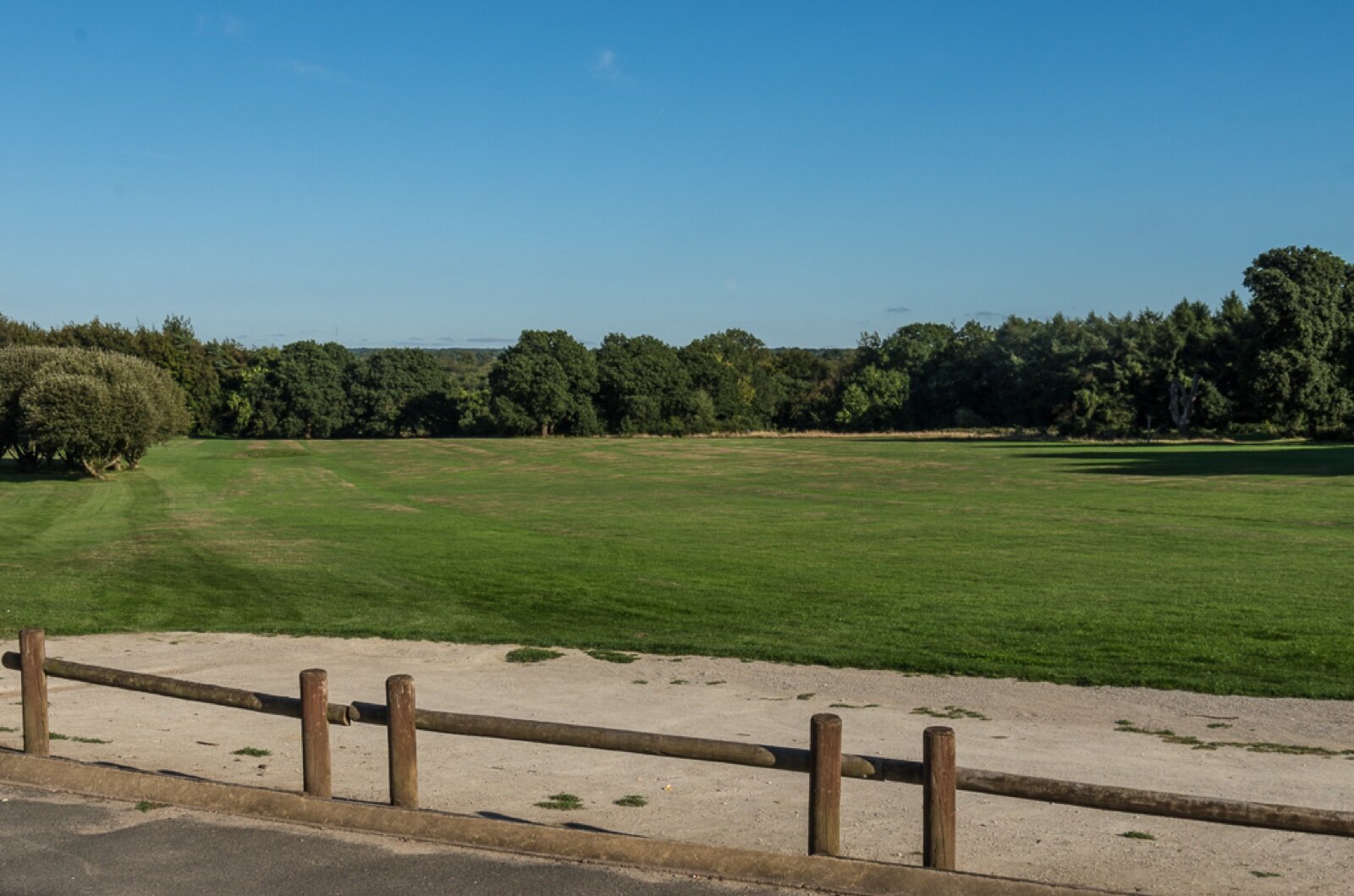

The full rulebook runs to 24 rules and a few hundred pages of interpretation, which is why most golf rules for beginners guides put people off within a page. In practice a new player meets about ten situations in their first handful of rounds, and knowing those ten will keep your card honest and your group moving. Everything below comes from the 2023 edition of the Rules of Golf, published jointly by The R&A and the USGA, which took effect on 1 January 2023 and stays in force until 31 December 2026.
One point worth making first: at a public pay-and-play course nobody is going to challenge you over a rules technicality. You still want to know these, because they are what a handicap and a competition card depend on, and because guessing usually costs you more strokes than the rule itself does.
1. Fourteen clubs, no more
Rule 4.1b sets the limit: you must not start a round with more than 14 clubs, and must not have more than 14 during it. You can start with fewer and add clubs up to the limit, provided you do not hold anyone up. You cannot borrow a club from another player, unless the two of you are partners in a four-ball or foursomes, and even then the pair of you are capped at 14 between you. A 15th club in the bag is a two-stroke penalty per hole in stroke play, up to a maximum of four strokes.
2. Play the ball as it lies
This is the rule the other 23 are built around. You play the course as you find it and the ball as it lies, and you do not improve your lie, your stance, your swing area or your line of play. Pressing down a tuft of grass behind the ball, snapping a branch that is in your backswing, or building a stance are all two-stroke penalties in stroke play. Rolling the ball over in the fairway is the most common social-golf habit that is simply not in the rules.
3. You get three minutes to find a ball
Rule 18.2 gives you three minutes of search time, and the clock starts when you or your caddie begin looking, not when the ball landed. After three minutes the ball is lost, and the only option is stroke and distance: go back to where you played from, add one penalty stroke, and play again. There is no drop where you think it went, and no dropping at the edge of the trees. This single rule is responsible for more slow rounds than anything else on a busy course.
4. Hit a provisional before you walk forward
If there is any chance the ball is lost outside a penalty area, or out of bounds, play a second ball from the same spot and announce it clearly as a provisional (Rule 18.3). Saying "I'll hit another one" is not enough; you have to use the word provisional or make it obvious you are playing under that rule. If you find the original in time, pick the provisional up and carry on. If you do not, the provisional is now your ball in play and you are lying three from the tee. It costs you thirty seconds and saves a five-minute walk back.
5. Red and yellow penalty areas are not the same
Water hazards were renamed penalty areas in 2019, and the colour of the stakes tells you what relief you get. Both cost one penalty stroke.
- Yellow: replay from where you last played, or drop on a line running back from the hole through the point where the ball last crossed the edge, as far back as you like.
- Red: both of the yellow options, plus lateral relief within two club-lengths of that crossing point, no nearer the hole.
You can also play the ball as it lies from inside a penalty area with no penalty, and since 2019 you may ground your club and move loose impediments while you do it. The point to remember is that the reference is where the ball last crossed the edge, not where it ended up in the water.
6. Drops are from knee height
Rule 14.3b changed the drop in 2019 and plenty of players still get it wrong. Stand upright, hold the ball at knee height, and let it fall straight down without spinning it or letting it touch you or your kit on the way. It has to land in the relief area and come to rest there. If it rolls out, drop again. If it rolls out a second time, place it on the spot where the second drop first touched the ground.
7. Free relief exists, and it is worth knowing
Rule 16.1 gives you relief without penalty from what the rules call abnormal course conditions: temporary water, ground under repair, animal holes, and immovable obstructions such as sprinkler heads, cart paths and staked young trees. Find the nearest point of complete relief that is not nearer the hole, then drop within one club-length of it. Casual water after a wet Kent winter is the version you will meet most often, and it is free, so take it.
8. An unplayable ball costs one stroke, and you choose how
Under Rule 19 you alone decide your ball is unplayable, anywhere except in a penalty area, and it costs one penalty stroke. You then pick from three options: stroke and distance, back-on-the-line relief keeping the ball between you and the hole, or lateral relief within two club-lengths, no nearer the hole. Deep in a bramble is exactly what this rule is for. Thrashing at it three times, then taking the drop anyway, is how a six becomes a nine.
9. Loose impediments can go, but do not nudge the ball
Stones, leaves, twigs, pine cones and worm casts are loose impediments, and since 2019 you may remove them anywhere on the course, bunkers and penalty areas included, with no penalty. What you cannot do is move the ball while you do it. Rule 9.4 adds one penalty stroke and requires you to replace it. The exception is the putting green, where accidentally moving your own ball or ball-marker costs nothing: just put it back.
10. On the green you have more freedom than you think
You may mark, lift and clean your ball on the green, repair pitch marks, spike marks and old hole plugs, and leave the flagstick in while you putt without any penalty for hitting it. If your ball comes to rest overhanging the lip, you get a reasonable time to reach the hole plus ten more seconds before it must be treated as at rest. If it drops in after that, you add a stroke.
Two things that are not rules, but feel like them
Distance-measuring devices have been allowed since 2019 unless a Local Rule says otherwise, so a rangefinder or GPS watch is fine for an ordinary round as long as it is not reading slope. And "ready golf", hitting when you are ready rather than strictly in order of who is furthest away, is actively encouraged in stroke play under Rule 5.6b. Pace of play is covered separately in our golf etiquette and pace of play guide.
Local Rules are the other thing to look for. Clubs print them on the back of the scorecard or on a board by the first tee, and they can change what counts as out of bounds, where a preferred-lies rule applies in winter, and whether an alternative to stroke and distance is in force for a lost ball. Read them before you tee off, not after.
Putting it into practice at Lullingstone Park
A parkland course with trees, ditches and plenty of room to lose a ball is a good place to get these habits in. Play a provisional when you are not sure, take free relief from casual water instead of hacking out of it, and take the unplayable drop early. Our green fees and booking page covers turning up for a round, the tee time booking guide explains how to get on, and the Lullingstone Park homepage has everything else you need to plan a visit. The full text of every rule is free to read on the R&A website, and it is more readable than its reputation suggests.
Frequently Asked Questions
How many clubs can you carry in a golf bag?
Fourteen. Rule 4.1b says you must not start a round with more than 14 clubs and must not have more than 14 during the round. You can start with fewer and add clubs up to the limit, as long as you do not delay play. Sharing clubs with another player is not allowed unless you are partners in a four-ball or foursomes, and even then the two of you cannot carry more than 14 between you.
How long can you look for a lost golf ball?
Three minutes, under Rule 18.2. The clock starts when you or your caddie begin searching, not when the ball came to rest. If it is not found in that time the ball is lost and you must go back and play again from where you last played, adding one penalty stroke. Playing a provisional ball before you walk forward saves that trip.
What is the difference between a red and a yellow penalty area?
Both cost one penalty stroke. From a yellow penalty area you have two relief options: play again from where you last played, or drop on a line back from the hole through the point where the ball last crossed the edge. A red penalty area adds a third option, lateral relief within two club-lengths of that crossing point, no nearer the hole. That extra option is why most ditches and ponds beside a fairway are marked red.
Do you drop a golf ball from shoulder height?
No, not since 2019. Rule 14.3b requires the ball to be dropped from knee height, straight down, without it touching you or your equipment before it lands. It must land in and come to rest in the relief area. If it rolls out, drop again; if it rolls out a second time, place it where the second drop first touched the ground.
Can you move a stone or a leaf next to your ball?
Yes. Since 2019 you may remove loose impediments such as stones, leaves, twigs and worm casts anywhere on the course, including in a bunker and in a penalty area, with no penalty. The catch is Rule 9.4: if the ball moves as a result, you get one penalty stroke and must replace it. On the putting green there is no penalty if you accidentally move your own ball, just replace it.
Which edition of the Rules of Golf applies right now?
The 2023 edition, published jointly by The R&A and the USGA, which took effect on 1 January 2023 and runs to 31 December 2026. The Rules are revised on a four-year cycle, so the next full edition arrives in 2027. Individual clubs can also add Local Rules on top, which is why it is worth glancing at the back of the scorecard before you tee off.