How to Choose a Golf Ball: Match It to Your Game
Two-piece or urethane, what compression actually tells you, and the rules every ball has to meet
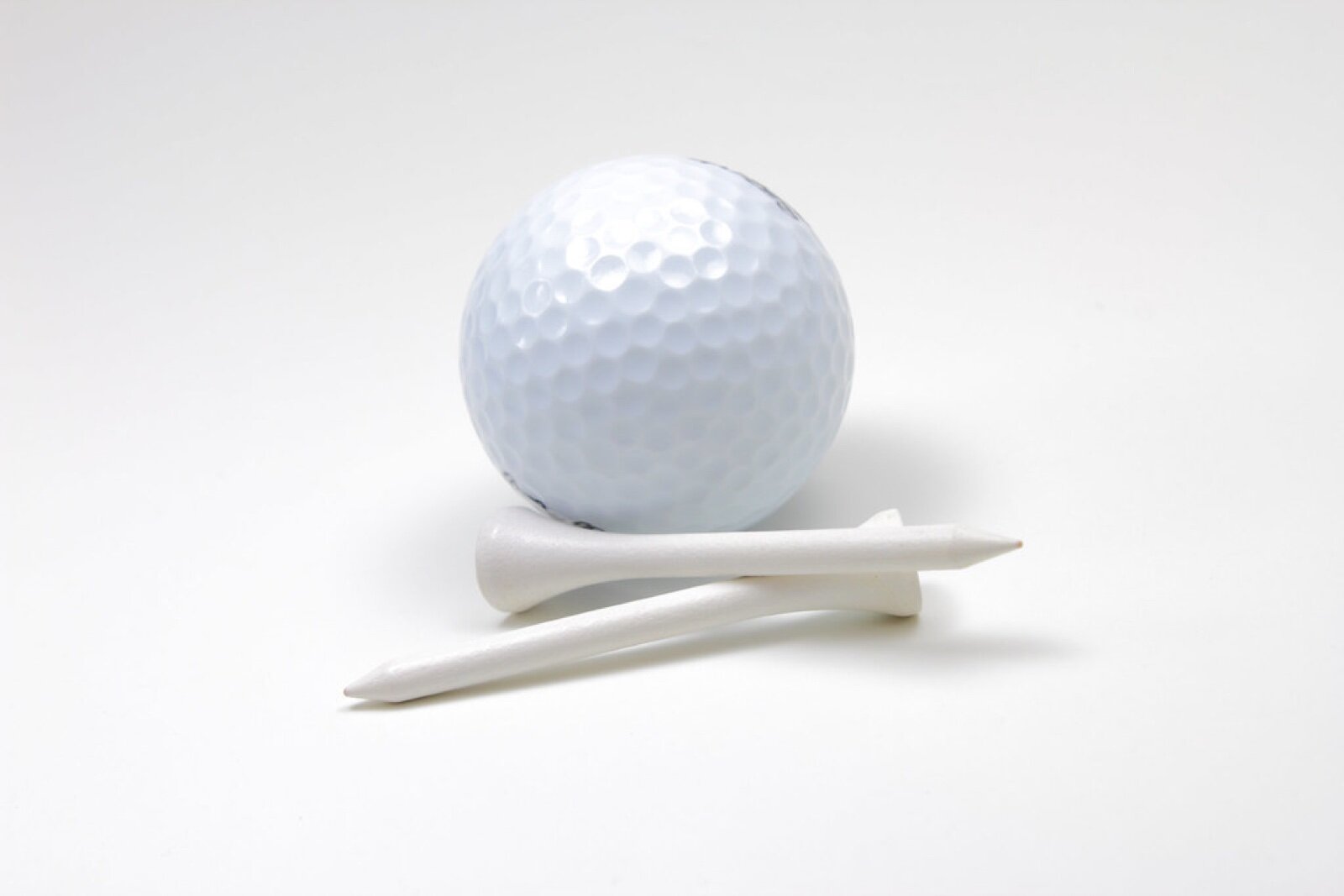
Most advice on how to choose a golf ball starts with the premium tour ball and works down. That is the wrong way round for most people who play a public course like Lullingstone Park. The right ball depends on two things you already know about your own game: how many balls you lose in a round, and where your shots actually go missing. Construction, compression and price all follow from those answers.
This page covers what the rules require of every ball, the two construction families that matter, what compression does and does not tell you, and a simple test you can run on the practice green before you spend any money.
What every ball has to meet
The R&A and the USGA write one set of equipment rules for golf balls, and they are short. A conforming ball must weigh no more than 1.620 ounces (45.93g), with no minimum. Its diameter must be no less than 1.680 inches (42.67mm), with no maximum. It must behave like a spherically symmetrical ball, and it must stay inside two performance limits tested on approved machines: an initial velocity limit and an overall distance limit covering carry and roll together.
In practice that means every branded ball on a shop shelf is the same size, close to the same weight, and capped for distance by the same test. The differences between them are in spin, feel and durability, not in how far the rules allow them to go.
The governing bodies also publish a list of conforming balls. For a casual round it does not matter, but many competitions adopt the Model Local Rule that requires a ball from that list, so a novelty or unbranded range ball can put you in breach in a club medal.
The distance rollback has been pushed back
You may have read that golf balls are being made to fly shorter. The R&A and USGA did announce a change to the distance test, with a faster clubhead speed on the test machine, originally planned for the elite game from 2028 and for everyone from 2030. In June 2026 they confirmed there will be no change to ball testing standards until at least January 2030, and that any change will come in on a single date across the whole game. Nothing about the ball you buy this autumn is affected.
The two construction families
Ignore the marketing layer counts for a moment. For a club golfer the meaningful split is between the cover materials.
| Type | Cover | What it does well | What it gives up |
|---|---|---|---|
| Two-piece distance ball | Ionomer (often sold as Surlyn) | Low spin off the driver, so hooks and slices curve less; tough cover that survives cart paths and trees | Less check on chips and pitches; feels firmer off the putter |
| Multi-layer urethane ball | Urethane | More spin with wedges, so short shots stop faster; softer feel around the green | Costs more; scuffs more easily; extra spin can exaggerate a bad swing off the tee |
There is a middle ground of three-piece balls with softer ionomer covers that aim to give some greenside feel at a lower price. They are a reasonable compromise if you want more than a basic two-piece but lose too many balls to justify urethane.
What compression does and does not tell you
Compression describes how much the ball deforms under load. Low-compression balls are marketed at slower swing speeds and feel soft; high-compression balls feel firmer and are aimed at faster swings. Manufacturers measure it in different ways, so a number on one brand's box is not directly comparable with another's.
Treat it as a guide to feel rather than a distance promise. If a firm ball feels harsh off your irons and putter, a softer one will be more pleasant to play, and that alone is a fair reason to switch. Do not expect a large distance gain from matching compression to swing speed; the far bigger factor for most club golfers is simply hitting the centre of the face.
Choosing by handicap and by where you lose shots
This is the part that actually saves you money.
- Losing three or more balls a round (typically 25 handicap and up): buy a two-piece distance ball or good-quality used balls. The low-spin cover helps keep drives in play, and at this stage the ball you lose in the trees costs more strokes than any spin difference around the green.
- Losing one or two a round (roughly 12 to 24): a three-piece soft ionomer ball, or a cheaper urethane model if you chip well. Pick by feel on the putting green.
- Rarely losing a ball (single figures): urethane. You now hit enough greens and chips from tight lies that stopping power is worth paying for, and you are not throwing the extra cost into the rough.
If you are new to the game, start with the cheapest conforming ball you can find in bulk, and spend the difference on a lesson. Our page on how to start playing golf covers what else is worth buying early, and which clubs a beginner actually needs goes through the bag.
A ten-minute test before you buy a box
- Buy one sleeve each of two or three candidate balls rather than a dozen of one.
- On the putting green, roll each ball from 6 metres and from 2 metres. Notice which one you judge pace with best; feel off the putter matters more than anything a launch monitor will tell you.
- Chip each from the same spot just off the green to the same flag. Watch how far each rolls out after landing. The one that stops most predictably, not necessarily shortest, is the one to score with.
- Only then hit a few full shots. At club level you will struggle to see a distance difference, which is the point: pick on the short game.
The practice area at Lullingstone Park is a good place to run this, and our chipping and pitching basics explain what a good landing spot looks like.
Colour, alignment lines and used balls
High-visibility yellow or orange balls are just as conforming as white ones and are easier to find in autumn leaves and on grey winter days, which matters on a tree-lined parkland course. An alignment line drawn or printed on the ball is allowed and helps some golfers aim putts.
Used and recovered balls are a sensible buy for higher handicappers. They are graded by condition; the top grades are hard to tell from new for a club golfer, while lower grades can have cover scuffs or discolouration that affect flight. A ball that has sat in water for a long time can lose some performance, so the cheapest grades are best kept for practice.
How many to carry
Carry more balls than you think you need. There is no limit on how many balls you can have in your bag, only on clubs, and running out on the back nine ends a round early. Mark every ball with your own identifying mark before you tee off, because the Rules expect you to be able to identify your ball, and on a busy weekend two players in the same group can easily be using the same model.
Frequently Asked Questions
What golf ball should a beginner use?
The cheapest conforming ball you can buy in bulk, or good-quality used balls. A beginner loses several balls a round, and a low-spin two-piece ball also keeps drives straighter than a spinny urethane ball. Spend the saving on lessons.
Does golf ball compression matter for slow swing speeds?
It matters mostly for feel. A low-compression ball feels softer, which many slower swingers prefer, but compression is measured differently by each brand and matching it to swing speed will not add large amounts of distance. Choose the ball that feels best off your putter and irons.
Are urethane golf balls worth it for a mid handicapper?
Only if you chip and pitch reasonably well and do not lose many balls. Urethane gives more spin on short shots so the ball stops faster. If you lose two or more balls a round, a softer three-piece ionomer ball is usually better value.
What are the official size and weight rules for a golf ball?
A conforming ball must weigh no more than 1.620 ounces (45.93g) and have a diameter of at least 1.680 inches (42.67mm). It must also pass the R&A and USGA initial velocity and overall distance tests.
Is the golf ball rollback happening in 2028?
No. In June 2026 the R&A and USGA confirmed there will be no change to ball testing standards until at least January 2030, with a single implementation date for all golfers.
Sources
- The R&A: Rules of Equipment, conformance of balls, for the weight, size and performance limits
- Today's Golfer: golf ball rollback delayed, for the June 2026 announcement that testing will not change until at least January 2030
Checked on 11 September 2026 against the R&A's published equipment rules. Competition conditions vary by club; check the terms of any event you enter.