Golf for Kids in Kent: A First Visit to Lullingstone Park
Golf for kids does not start on the first tee. It starts on a 20 bay covered range and a pitch and putt, and at Lullingstone both sit a hundred metres from the car park. Here is the order that works, and what a family round actually costs.
Start here: the 20 bay covered driving range and the pitch and putt course, both on site at Parkgate Road, Chelsfield BR6 7PX.
First real course: the Valley Course, 9 holes, par 33, 2,381 yards. Short enough for a child to finish.
Published green fees: midweek £22.00 for 18 holes and £13.00 for 9. Weekend and bank holiday £31.75 for 18 and £15.00 for 9.
Open: 07:00 to 19:00, seven days a week. Reception 01959 583 019.
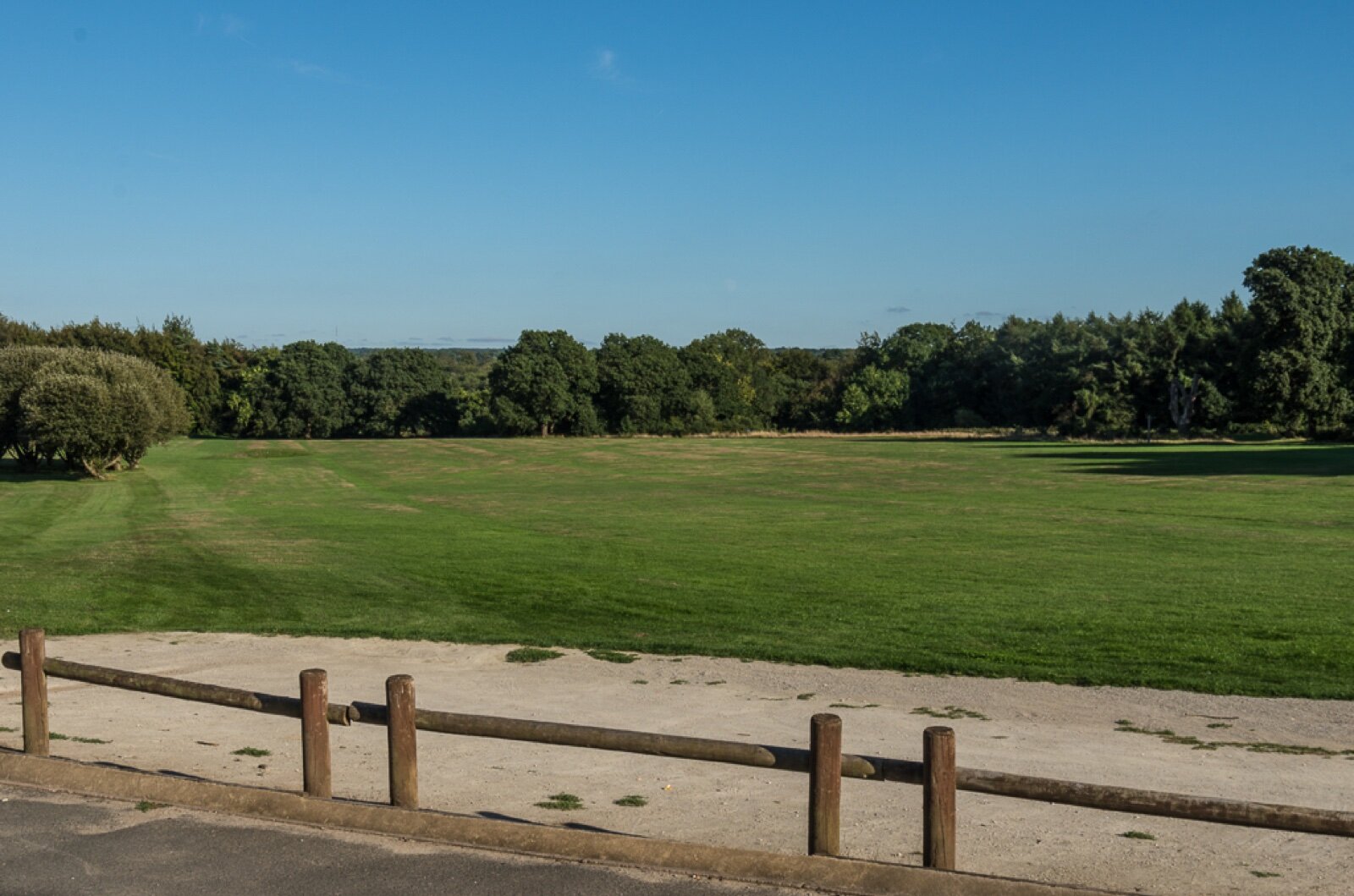
The usual way a family tries golf is the worst one: four people, four sets of hired clubs, eighteen holes, and a nine year old who is bored by the fourth green and miserable by the ninth. Golf punishes that approach and then gets blamed for it.
A public parkland course with a range and a pitch and putt on the same site gives you a much better sequence, because you can spend three visits and about the price of one round finding out whether anyone in the family actually enjoys it.
The order that works
Visit one: the driving range
The range at Lullingstone has 20 bays and is covered, which matters more than it sounds. A November afternoon in Kent will end a child's interest in golf permanently if they are standing in the rain. Under a roof, a bucket of balls is thirty or forty minutes of hitting with no pressure, no queue behind you and no score.
What you are watching for is simple: can they make contact, and do they want another bucket? Nothing else matters yet.
Visit two: pitch and putt
The pitch and putt course is where golf starts to be a game rather than a driving exercise. Short holes, one or two clubs, a putt at the end, and a hole finished in three or four shots instead of eleven. It teaches the short game, which is where scores actually come from, and it teaches the round: play, walk, play again, keep going.
It also takes about an hour rather than four, which is the correct length for a first competitive experience with a child.
Visit three: the Valley Course
The 9 hole Valley Course is par 33 over 2,381 yards. That is genuinely short: several par 3s and no long walk between greens, so a child can complete a real round on a real course without the last three holes turning into a march.
Nine holes midweek is £13.00. Nine at the weekend is £15.00. For a parent and a child that is under £30 for a proper round of golf, which is less than an hour at most soft play centres.
Later: the Championship Course
The 18 hole Championship Course is par 72 over 6,713 yards, winding through mature woodland and open meadow with water in play at the par 3 seventh. It is a full day out and the right target to work towards, not the place to begin. £22.00 midweek, £31.75 at weekends and on bank holidays.
What it costs
| Midweek | Weekend and bank holiday | |
|---|---|---|
| 18 holes, Championship Course | £22.00 | £31.75 |
| 9 holes, Valley Course | £13.00 | £15.00 |
Those are the published rates and they are subject to change. Junior rates, family rates and range ball prices are not published on the website, so ring reception on 01959 583 019 before you come and ask specifically about juniors, because a course that is quiet on a Tuesday afternoon has every reason to make a family visit cheap.
Ask three questions in that call: is there a junior green fee, is there an age below which a child must be accompanied, and what is the quietest hour to bring a beginner. The third question is worth more than the other two.
Clubs: fewer than you think
The Rules of Golf allow a maximum of 14 clubs in the bag under Rule 4.1b. A beginner, and a child in particular, needs four or five: a hybrid or a 7 iron, a 9 iron or wedge, a putter, and perhaps a fairway wood once they are swinging faster.
Two mistakes are common:
- Cutting down adult clubs. It shortens the shaft but leaves the head heavy and the shaft stiff, so the club is unswingable for a child. Junior sets are built lighter throughout, which is the point of them.
- Buying a full set immediately. A child who grows four inches needs different clubs anyway. Second hand junior sets hold their value well for exactly this reason.
Hire what you can for the first visits, and let the pro shop measure a child properly before you spend anything. Lullingstone's professional shop stocks equipment from the main brands and the PGA qualified professionals on site do club fitting as well as tuition.
Lessons, and when they are worth it
A lesson before anyone has hit a ball is usually wasted. A lesson after two or three range visits, once the child has a grip and a swing of their own to correct, is transformative and normally cheaper than three more buckets of balls spent grooving a fault.
Lullingstone has PGA qualified professionals on site providing tuition. Group junior sessions, where they run, are almost always better value and better fun than individual lessons for a child, because half the appeal of golf at that age is other children being equally bad at it.
Etiquette, in five lines a child can remember
- Shout fore loudly if a ball goes anywhere near another person. Nobody minds a false alarm.
- Stand still and quiet while someone else swings, and stand behind them, never in front.
- Keep up with the group in front, not ahead of the group behind. If you are holding people up, wave them through.
- Repair your pitch mark on the green and rake the bunker after you.
- Pick up. After a set number of shots on a hole, lift the ball and move on. It is not cheating for a beginner, it is what keeps the round moving and the child cheerful.
That last one is the single most useful rule for family golf. Agree a maximum of, say, eight shots a hole before you start, and stick to it.
Handicaps, when it gets serious
A Handicap Index under the World Handicap System is what lets a golfer compete fairly against anyone. The traditional route is joining a club. For adults who play without being a member, England Golf runs iGolf, which costs £47 a year and provides a Handicap Index plus public liability insurance and the MyEG app for submitting scores. A first Handicap Index is established once 54 holes of scores have been returned, in any mix of 9 and 18 hole rounds.
For a child, ask the club about junior membership, since the rules on age and on who can hold an index are different and are best answered by the club rather than by a website.
What to bring
- Trainers or flat shoes with grip. Spiked golf shoes are not needed to start.
- Water and something to eat. A nine hole round with a child takes longer than a nine hole round without one.
- A waterproof top, because Kent parkland in the shoulder seasons is exactly as wet as you expect.
- Two or three balls per person. They will be lost, and that is fine.
- Sun cream between May and September. There is very little shade out on the fairways.
Afterwards, The Lodge clubhouse serves food and looks out over the course, and our guide to eating around Eynsford and at the clubhouse covers the kitchen hours, which stop earlier than people expect.
Frequently Asked Questions
What age can a child start playing golf?
Most children can hit balls usefully on a range from about five or six, and can play a short course from about seven or eight once they can walk nine holes and concentrate for an hour. Start on the range and the pitch and putt rather than a full course, whatever the age.
How much is a round of golf at Lullingstone Park?
The published green fees are £22.00 for 18 holes and £13.00 for 9 holes midweek, and £31.75 for 18 and £15.00 for 9 at weekends and on bank holidays. Prices are subject to change, so confirm on 01959 583 019, and ask about junior rates at the same time.
Which course should a beginner play at Lullingstone Park?
The Valley Course, 9 holes, par 33 over 2,381 yards. It is short enough to finish without exhaustion and it is a real course rather than a practice area. The 18 hole Championship Course is par 72 over 6,713 yards and is a much bigger day out.
How many clubs does a child need?
Four or five. A hybrid or 7 iron, a 9 iron or wedge, a putter, and a fairway wood later on. The Rules of Golf allow up to 14 under Rule 4.1b, but a beginner carrying 14 clubs is carrying 9 they cannot use. Buy a junior set rather than cutting down adult clubs.
Do you need a handicap to play at a public course?
No. Lullingstone Park is a public parkland course and visitors can book and play without a handicap or club membership. A Handicap Index only becomes necessary if you want to enter competitions.
Is there a driving range at Lullingstone Park?
Yes, a 20 bay covered driving range on site, along with a pitch and putt course for short game practice. The site is open 07:00 to 19:00, seven days a week.
Sources
- Lullingstone Park Golf Course, for green fees, course specifications, facilities and opening hours
- England Golf: What is iGolf, for the non-member Handicap Index scheme and its annual cost
More from us: pitch and putt at Lullingstone Park, lessons, practice and self-coaching, and group golf days in Kent.
Green fees and facilities checked on 7 September 2026 against the course's published information. Prices are subject to change; confirm on 01959 583 019 before travelling.